The Role of Skilled Nurses in Home Healthcare
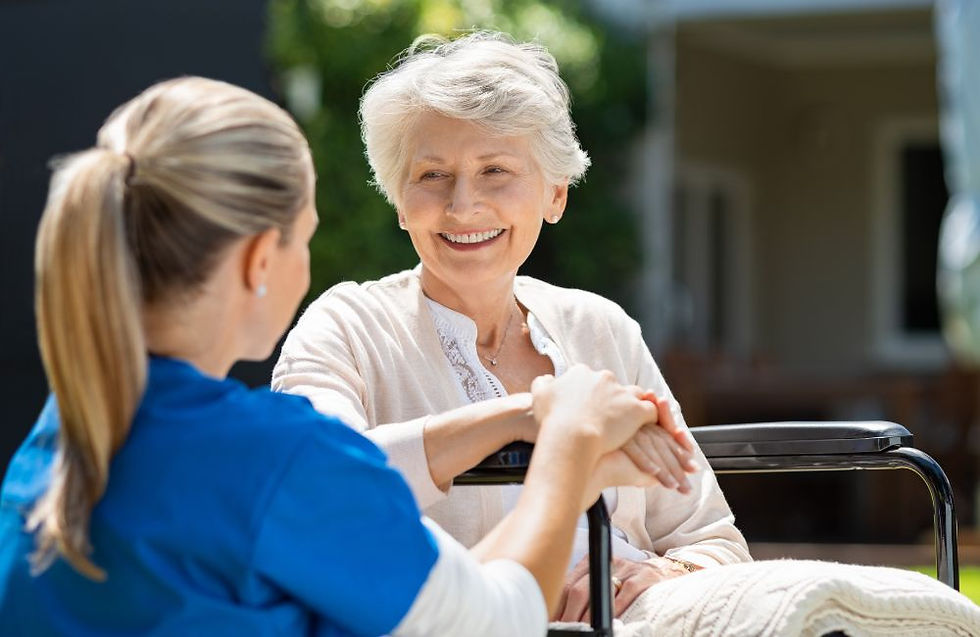
As healthcare continues to evolve, more patients are choosing to receive medical care in the comfort of their own homes. Home healthcare has become an essential solution for individuals recovering from surgery, managing chronic illnesses, or requiring long-term medical support. At the heart of this growing industry are skilled nurses—licensed healthcare professionals who provide expert medical care while helping patients maintain their independence and quality of life.
Skilled nurses play a vital role in ensuring patients receive high-quality, personalized healthcare without the need for prolonged hospital stays. Their expertise not only promotes faster recovery but also reduces healthcare costs, minimizes hospital readmissions, and provides peace of mind for families.
What Is Skilled Nursing in Home Healthcare?
Skilled nursing refers to medical care provided by licensed professionals such as Registered Nurses (RNs) and Licensed Practical Nurses (LPNs). Unlike non-medical caregivers who assist with daily activities like bathing, dressing, and meal preparation, skilled nurses perform medical procedures that require professional training and clinical expertise.
These healthcare professionals work closely with physicians, therapists, patients, and family members to develop and implement individualized care plans that address each patient's specific medical needs.
Home healthcare nursing combines advanced medical care with compassionate, patient-centered support, allowing individuals to recover safely in familiar surroundings.
Key Responsibilities of Skilled Nurses
Skilled nurses perform a wide range of medical services depending on the patient's condition and physician's recommendations.
Medication Management
One of the primary responsibilities of skilled nurses is ensuring medications are administered safely and correctly. This includes:
Administering prescribed medications
Managing intravenous (IV) therapies
Monitoring medication effectiveness
Identifying potential side effects
Educating patients about medication schedules
Preventing medication errors
Proper medication management is especially important for elderly patients who often take multiple prescriptions.
Wound Care
Patients recovering from surgery, injuries, or chronic conditions frequently require specialized wound care. Skilled nurses are trained to:
Clean and dress wounds
Monitor healing progress
Prevent infections
Identify complications early
Coordinate treatment with physicians
Professional wound care significantly reduces the risk of infections and promotes faster healing.
Health Assessments
Regular health monitoring allows nurses to detect changes before they become serious medical problems. Skilled nurses routinely assess:
Blood pressure
Heart rate
Oxygen levels
Blood sugar levels
Temperature
Respiratory function
Overall physical condition
These ongoing assessments help physicians adjust treatment plans when necessary.
Chronic Disease Management
Millions of individuals live with chronic conditions that require continuous monitoring and care. Skilled nurses help patients manage diseases such as:
Diabetes
Heart disease
COPD
Hypertension
Parkinson's disease
Alzheimer's disease
Multiple sclerosis
By monitoring symptoms, educating patients, and encouraging healthy habits, nurses help reduce complications and improve long-term outcomes.
Post-Surgical Care
After surgery, patients often recover more comfortably at home. Skilled nurses assist with:
Pain management
Incision care
Infection prevention
Mobility assistance
Medication administration
Recovery monitoring
Their expertise helps ensure patients heal properly while reducing unnecessary hospital visits.
Patient Education
Education is one of the most valuable services skilled nurses provide. They empower patients and families by teaching them how to manage medical conditions safely at home.
Topics commonly include:
Medication instructions
Disease management
Nutrition guidance
Mobility techniques
Infection prevention
Equipment usage
Lifestyle modifications
Well-informed patients are more likely to follow treatment plans and experience better health outcomes.
Emotional Support for Patients and Families
Medical care extends beyond physical treatment. Many patients experience anxiety, depression, or emotional stress during recovery or while managing chronic illnesses.
Skilled nurses provide compassionate emotional support by:
Listening to patient concerns
Offering reassurance
Encouraging independence
Supporting family caregivers
Helping patients adapt to lifestyle changes
Their compassionate approach helps create a positive healing environment and builds trust with both patients and their loved ones.
Preventing Hospital Readmissions
One of the greatest advantages of skilled home healthcare nursing is reducing unnecessary hospital readmissions.
Through regular monitoring, nurses can identify warning signs before conditions worsen. Early intervention allows healthcare providers to address problems quickly, preventing emergency room visits and repeat hospital stays.
This proactive approach benefits patients by:
Improving recovery
Reducing stress
Lowering healthcare costs
Enhancing overall health outcomes
Coordinating Comprehensive Care
Home healthcare often involves multiple healthcare providers, including physicians, therapists, pharmacists, and specialists.
Skilled nurses serve as care coordinators by:
Communicating with physicians
Updating treatment plans
Monitoring patient progress
Scheduling follow-up care
Coordinating therapy services
Ensuring continuity of care
Effective communication among healthcare providers results in safer and more efficient patient care.
Specialized Medical Services
Many skilled nurses receive advanced training in specialized areas of healthcare. Depending on patient needs, they may provide services such as:
IV infusion therapy
Catheter care
Tracheostomy care
Feeding tube management
Ostomy care
Cardiac monitoring
Pain management
Palliative care
Hospice nursing
These advanced services enable patients with complex medical conditions to remain safely at home rather than in a hospital or long-term care facility.
Benefits of Skilled Nursing at Home
Receiving professional nursing care at home offers numerous advantages.
Personalized Care
Unlike busy hospitals where nurses care for multiple patients simultaneously, home healthcare focuses entirely on one individual during each visit. This personalized attention allows nurses to tailor care to each patient's unique needs.
Greater Comfort
Patients often recover faster in familiar surroundings where they feel relaxed and emotionally secure. Being at home also allows individuals to maintain daily routines and spend more time with family.
Improved Independence
Skilled nurses encourage patients to remain as independent as possible while providing the medical support needed for safe recovery.
Reduced Infection Risk
Hospitals expose patients to various illnesses and infections. Receiving care at home significantly lowers the risk of hospital-acquired infections.
Family Involvement
Home healthcare enables family members to become active participants in the patient's care. Skilled nurses educate caregivers, answer questions, and provide guidance to ensure the best possible support system.
When Is Skilled Home Nursing Needed?
Patients may benefit from skilled nursing services in many situations, including:
Recovery after surgery
Stroke rehabilitation
Serious illness recovery
Chronic disease management
Heart failure monitoring
Diabetes care
Cancer treatment support
Wound management
Elderly healthcare
Hospice and palliative care
Medication management
Long-term medical conditions
A physician typically recommends skilled nursing services based on the patient's medical needs.
Choosing the Right Home Healthcare Provider
Selecting a reputable home healthcare provider is essential for receiving quality care. When choosing a provider, consider:
Licensed and certified nursing staff
Experience with specific medical conditions
Personalized care plans
Strong communication with physicians
Positive patient reviews
Emergency support availability
Accreditation and compliance with healthcare regulations
A trusted provider ensures patients receive safe, compassionate, and professional medical care in their own homes.
Conclusion
Skilled nurses are the foundation of quality home healthcare. Their clinical expertise, compassionate approach, and commitment to personalized care enable patients to recover safely while maintaining comfort and independence. From medication management and wound care to chronic disease monitoring and patient education, skilled nurses provide comprehensive medical support that improves health outcomes and enhances quality of life.
As the demand for home healthcare continues to grow, skilled nursing will remain an essential service that bridges the gap between hospital care and independent living. For patients and families seeking professional medical care in the comfort of home, skilled nurses offer not only expert treatment but also confidence, compassion, and peace of mind throughout every stage of the healthcare journey.
Also Read - Signs Your Loved One May Need Home Nursing Care
Comments