How Home Nursing Care Supports Seniors in Their Daily Lives

As people age, daily activities that once felt simple can become more challenging. Seniors may experience changes in mobility, energy levels, memory, or overall health that make regular tasks harder to manage independently. While family members often provide support, balancing caregiving responsibilities with work and personal commitments can be difficult. This is where professional home nursing care becomes a valuable solution.
Home nursing care allows seniors to receive medical assistance, personal support, and emotional care while staying in the comfort of their own homes. Instead of moving to a care facility, older adults can continue living in a familiar environment surrounded by their belongings, memories, and loved ones.
Professional caregivers and nurses help seniors maintain their independence, improve their quality of life, and manage their health needs more effectively. Let’s explore how home nursing care supports seniors in their everyday lives.
Personalized Care Based on Individual Needs
Every senior has different health conditions, routines, and preferences. One of the biggest advantages of home nursing care is that it provides personalized support designed around an individual’s specific requirements.
A professional home nurse evaluates the senior’s daily needs and creates a care approach that may include medication management, mobility assistance, personal hygiene support, nutrition guidance, and health monitoring.
For example, a senior recovering from surgery may need wound care and physical assistance, while another person managing a chronic condition may require regular health checks and medication reminders.
This personalized attention ensures that seniors receive the right level of support without losing their independence.
Assistance With Daily Activities
Many seniors find everyday tasks more difficult as they age. Simple activities such as bathing, dressing, preparing meals, or moving around the house can become challenging due to reduced strength or balance issues.
Home nursing care provides assistance with these daily activities while respecting the senior’s dignity and personal choices.
Care providers can help with:
Daily Support Area | How Home Nursing Helps |
Personal hygiene | Assistance with bathing, grooming, and dressing |
Mobility support | Helping seniors move safely around the home |
Meal preparation | Preparing nutritious meals according to health needs |
Household routines | Supporting basic daily tasks |
Medication reminders | Ensuring medicines are taken on time |
This support allows seniors to continue their routines comfortably while reducing the risk of accidents.
Better Management of Medical Conditions
Many older adults live with chronic health conditions such as diabetes, heart problems, arthritis, or high blood pressure. Managing these conditions requires regular monitoring and proper care.
Home nurses help seniors follow their treatment plans by checking vital signs, managing medications, observing symptoms, and communicating health changes to doctors or family members.
Regular monitoring can help identify potential health concerns early and prevent complications. Seniors also benefit from having a trained professional who understands their medical requirements.
Medication Management and Safety
Taking multiple medications is common among older adults. However, remembering the correct medicine, dosage, and timing can sometimes become confusing.
Home nursing care helps seniors manage their medications safely. Nurses can organize medication schedules, provide reminders, and monitor possible side effects.
Proper medication management reduces the chances of missed doses or incorrect usage, helping seniors maintain better health outcomes.
Reducing the Risk of Falls and Injuries
Falls are one of the major concerns for seniors, especially those with mobility challenges or balance problems. A fall can lead to serious injuries and affect a person’s confidence and independence.
Home nursing professionals help create a safer living environment by identifying potential risks and assisting seniors with movement.
They may recommend changes such as:
Removing household obstacles
Improving lighting
Using mobility aids correctly
Providing support during walking or transfers
With proper assistance, seniors can move around their homes more safely.
Emotional Support and Companionship
Aging can sometimes bring feelings of loneliness and isolation, especially when seniors spend more time at home. Emotional well-being is just as important as physical health.
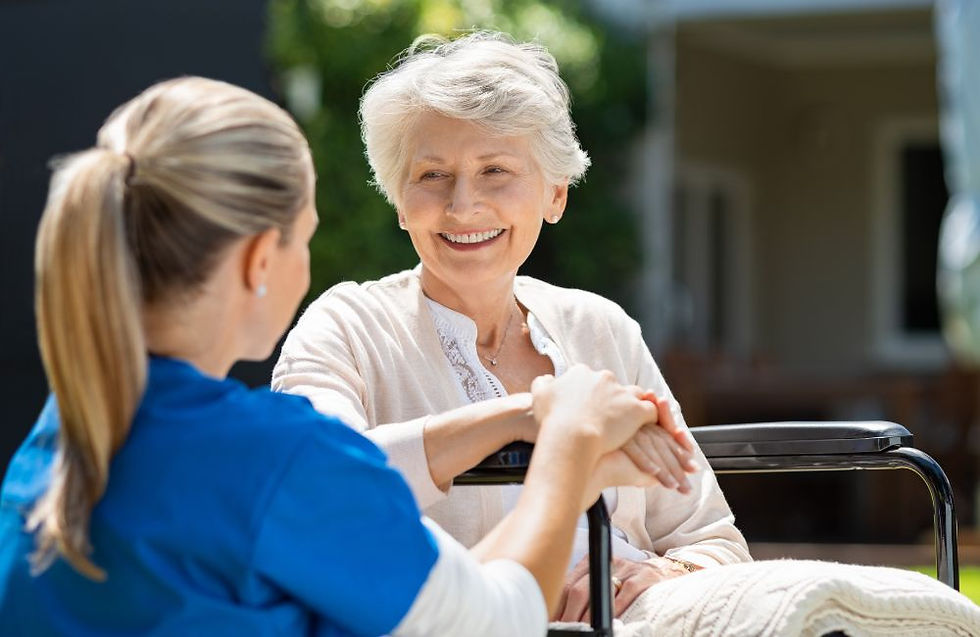
Home nursing care provides regular human interaction and companionship. Caregivers often become trusted companions who listen, communicate, and provide emotional encouragement.
Having someone available to talk with, share experiences, or participate in daily activities can positively impact a senior’s mental and emotional health.
Encouraging Independence and Confidence
A common misconception is that receiving care makes seniors less independent. In reality, the right support can help older adults maintain their independence for longer.
Home nursing focuses on assisting seniors with tasks they cannot safely manage while encouraging them to participate in activities they can still perform.
For example, instead of completing every task for a senior, caregivers encourage them to make choices, maintain routines, and stay involved in their daily lives.
This approach helps seniors feel confident and respected.
Support After Hospital Discharge
Returning home after hospitalization can be challenging for seniors. They may require additional care during recovery, especially after surgeries, injuries, or medical procedures.
Home nursing services provide essential post-hospital support, including:
Wound care
Pain management assistance
Medication monitoring
Mobility support
Follow-up care coordination
Having professional care during recovery helps seniors heal safely and reduces the possibility of complications or readmission.
Improved Nutrition and Healthy Lifestyle Support
Nutrition plays an important role in senior health. Many older adults experience changes in appetite, difficulty preparing meals, or dietary restrictions due to medical conditions.
Home nurses and caregivers can help seniors maintain healthy eating habits by preparing suitable meals and encouraging proper hydration.
They can support dietary requirements related to conditions such as diabetes, heart health, or recovery needs.
A balanced lifestyle combined with proper nutrition can improve energy levels and overall wellness.
Peace of Mind for Family Members
Caring for an aging family member can be rewarding, but it can also create emotional and physical stress. Family caregivers may worry about their loved one’s safety, health, and daily needs when they are not available.
Home nursing care provides families with reassurance that their loved ones are receiving professional attention.
Families can stay involved while sharing caregiving responsibilities with trained professionals. This creates a healthier balance between family support and professional care.
Maintaining Comfort in a Familiar Environment
One of the greatest benefits of home nursing care is that seniors can receive support without leaving their homes.
Familiar surroundings often provide comfort and emotional security. Being surrounded by personal belongings, family memories, and a known environment can make seniors feel more relaxed.
Home-based care allows older adults to age comfortably while receiving the assistance they need.
Choosing the Right Home Nursing Care Support
Selecting the right home nursing provider is an important decision. Families should consider factors such as caregiver experience, qualifications, services offered, and the specific needs of the senior.
A reliable home nursing service should focus on compassionate care, safety, communication, and respect for the senior’s preferences.
The goal is not only to provide medical assistance but also to improve daily comfort, independence, and overall quality of life.
Conclusion
Home nursing care plays an important role in helping seniors live healthier, safer, and more comfortable lives. From assisting with daily activities and managing medical needs to providing companionship and emotional support, professional caregivers make aging at home easier for both seniors and their families.
With personalized attention and compassionate support, home nursing allows older adults to maintain their independence while receiving the care they need in a familiar and comfortable environment. As the demand for senior care continues to grow, home nursing remains a valuable option for improving the quality of life during the later stages of life.
You May Also Like
Comments